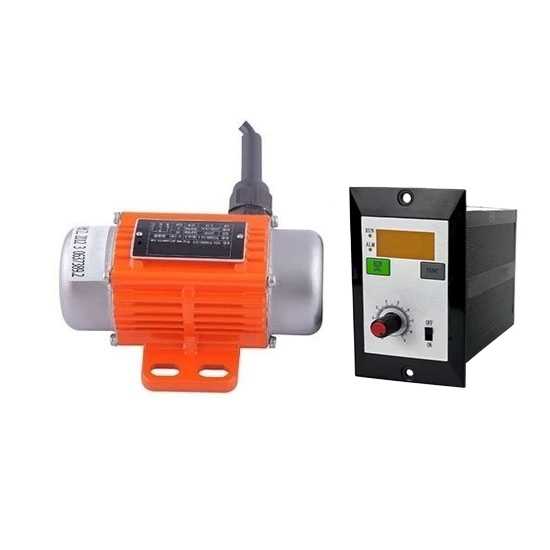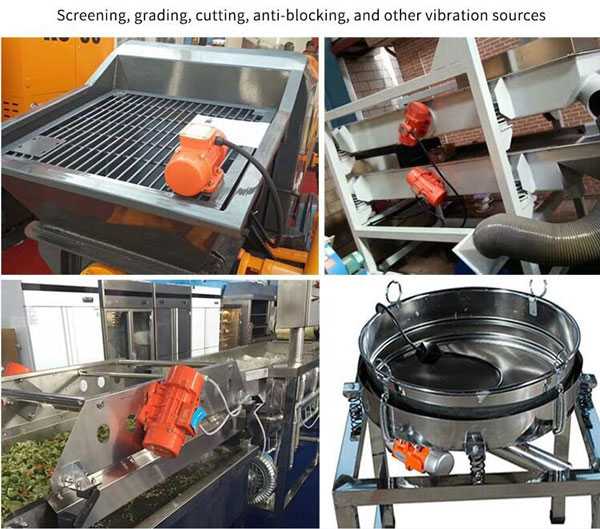

Modern automated machinery often requires compact actuators that can perform specific mechanical functions without adding excessive complexity. ATO vibration motors can provide a relatively simple method of introducing vibration into automated equipment. Instead of designing an elaborate mechanical vibration mechanism, engineers can use a dedicated vibration motor mounted directly to an appropriate machine structure. This approach can be useful in automated feeders, sorting machines, dispensing equipment, laboratory material handlers, packaging systems, and small industrial processing units. Vibration can be activated only when needed, allowing equipment controllers to coordinate the motor with other production stages. For example, a feeder may operate intermittently to replenish a weighing hopper, while a screening system may run continuously during production. 12V/24V/36V/48V DC vibration motors can be especially useful where electronic control and battery-powered operation are required, whereas AC vibration motors 30W to 2000W are convenient for factory installations. The motor's compact format also gives machinery designers flexibility when working with limited installation space. Engineers must nevertheless consider mounting strength, vibration transmission, bearing loads, operating temperature, duty cycle, and surrounding components. When properly engineered, a vibration motor can simplify the mechanical design while delivering a clearly defined vibratory function. ATO vibration motors therefore have application potential not only in large industrial machines but also in compact automated equipment requiring controlled movement of parts or bulk materials.
- 0 posts
- https://www.ato.com/industrial-vibration-motors
- Female
- 11-30--1
- Working at ATO Industrial Automation Store
- Living in United States
- Located in NY
ATO Vibration Motors has not posted anything yet
Crop your avatar