
The Spiritual Importance of Shiva Statues
Lord Shiva is the supreme yogi—the one who meditates on Mount Kailash, detached from material desires yet deeply compassionate. A Shiva statue symbolizes self-control, wisdom, and harmony with the universe. Devotees believe that keeping a Shiva statue at home helps dissolve fear, ego, and negativity while promoting peace and balance.
Shiva statues are often associated with:
Inner peace and mindfulness
Protection from negative energies
Spiritual growth and self-realization
Strength during life’s transformations
Because Shiva represents both destruction and creation, his statues remind us that endings are gateways to new beginnings.
Different Forms of Shiva Statues and Their Meanings
Shiva statues appear in various forms, each expressing a unique spiritual aspect. Choosing the right form allows you to connect with the energy that resonates most with you.
Meditating Shiva Statue
The meditating form of Shiva shows him seated in deep contemplation, symbolizing absolute stillness and inner awareness. This form is ideal for meditation rooms, yoga studios, or peaceful corners of the home. It helps calm the mind, reduce stress, and enhance focus.
Nataraja – Shiva as the Cosmic Dancer
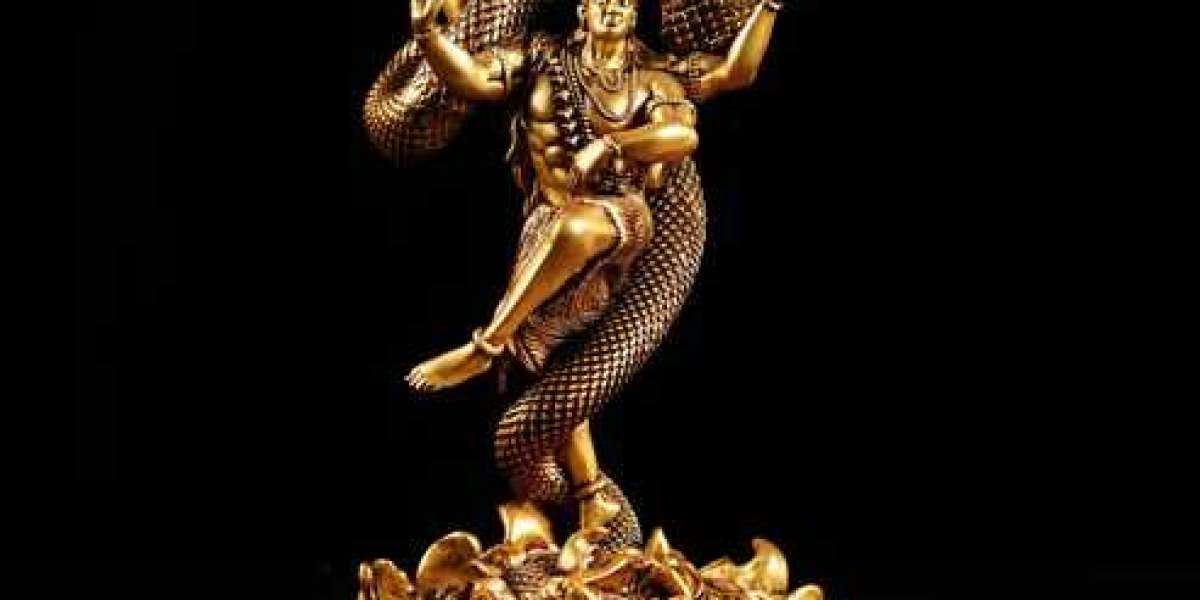
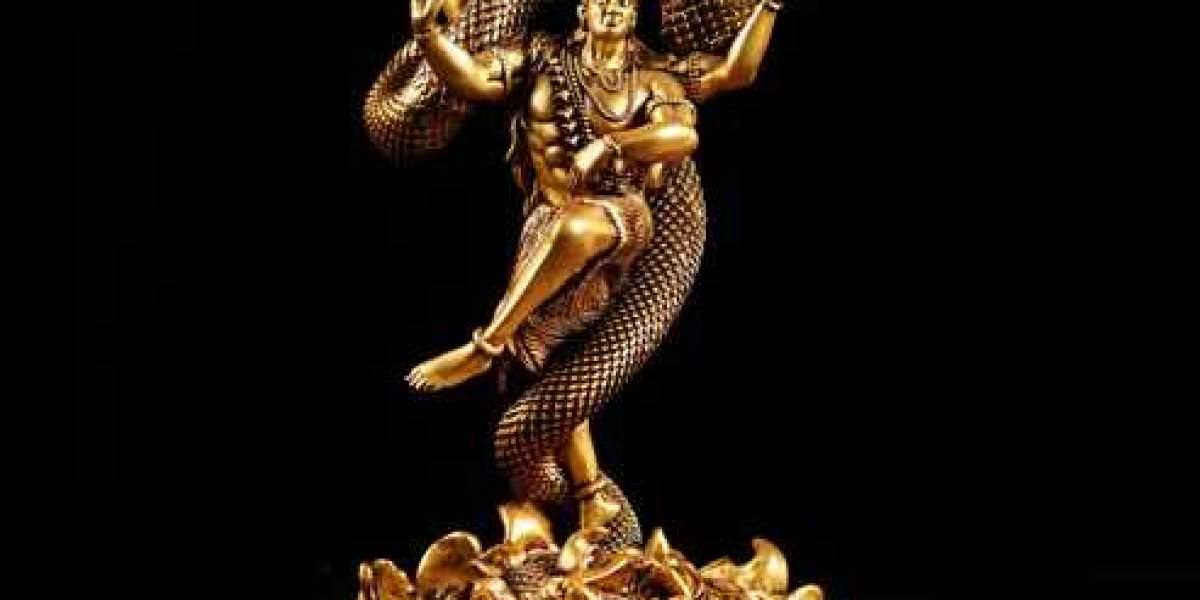
Nataraja depicts Lord Shiva performing the Tandava, the cosmic dance that governs the cycles of creation, preservation, and destruction. This dynamic form represents movement, rhythm, and universal balance. A Nataraja statue adds artistic depth and powerful energy to living rooms, studios, or creative spaces.
Shiva with Trishul and Damru
In this powerful form, Shiva holds the Trishul (trident) and Damru (drum). The Trishul represents control over mind, body, and soul, while the Damru symbolizes the primal sound of creation. These statues signify protection, courage, and spiritual authority.
Ardhanarishvara
Ardhanarishvara is the combined form of Shiva and Goddess Parvati, representing the perfect balance of masculine and feminine energies. This form symbolizes unity, harmony, and equality, making it a meaningful addition to family spaces.
Shiva Statues as Home Décor Elements
Shiva statues seamlessly blend spirituality with aesthetics, making them ideal décor pieces for modern and traditional interiors alike.
Enhancing Ambience and Energy
A well-placed Shiva statue creates a calm and sacred atmosphere. The serene expressions and symbolic elements naturally uplift the energy of a space, making it feel more grounded and peaceful.
Suitable for Every Interior Style
From antique-inspired designs to minimalist contemporary sculptures, Shiva statues adapt beautifully to different décor themes. They can serve as a spiritual centerpiece or a subtle accent that adds depth and meaning to the room.
Perfect for Gifting
A Shiva statue is a thoughtful and auspicious gift for occasions such as housewarmings, weddings, anniversaries, or festivals like Mahashivratri. It symbolizes blessings, protection, and good fortune.
Choosing the Right Shiva Statue for Your Space
When selecting a Shiva statue, consider the intention, size, and placement.
Size and Placement
Small statues are ideal for desks, shelves, and personal altars.
Medium statues work well in living rooms or entryways.
Large statues create a powerful focal point in gardens or prayer areas.
According to Vastu, Shiva statues are best placed facing north or east for positive energy flow.
Material and Craftsmanship
Shiva statues are available in materials like resin, marble, stone, and metal. Resin statues are lightweight, durable, and perfect for modern interiors, while stone and metal statues offer a more traditional and timeless appeal.
Expression and Posture
Choose a statue that reflects your spiritual needs—meditative for peace, dancing for energy, or standing Shiva for protection and strength.
Vastu Tips for Shiva Statues
Place Shiva statues in the north or northeast direction of your home.
Avoid placing them in bedrooms or near bathrooms.
Ensure the statue is not cracked or damaged.
Keep the surrounding area clean and uncluttered to maintain positive vibrations.
Caring for Your Shiva Statue
To preserve both beauty and spiritual energy:
Clean the statue regularly with a soft, dry cloth.
Avoid harsh chemicals or excessive water.
Occasionally light incense or a diya nearby to enhance its sacred presence.
Why Choose Shiva Statues from Artarium?
Artarium is dedicated to offering spiritually meaningful and visually refined décor pieces. Our Shiva statues are crafted with attention to detail, quality materials, and artistic excellence. Each statue reflects devotion, elegance, and authenticity, making it a perfect addition to your sacred or living space.
Whether you are a devotee seeking spiritual connection or a décor enthusiast looking for timeless elegance, our Shiva statues cater to every need.
Conclusion
Shiva statues embody the essence of peace, power, and transformation. They remind us to remain grounded, fearless, and balanced amidst life’s constant changes. Bringing a Shiva statue into your home is an invitation to experience divine energy, inner calm, and spiritual growth.